Stop the Hate
Capacity Building at the Core: Reflections from Four Years with Stop the Hate Border Region
By Tuyen Nguyen, Program Director, Stop the Hate Border Region
About a year into my role with Stop the Hate Border Region, a staff member from our grantee partner North County LGBTQ Resource Center confided in me about a disturbing encounter with protesters and white supremacists. The experience left their team feeling shaken, unsafe, and unprepared to protect themselves or the families with whom they were working. This incident happened amid a nationwide spike in threats against the LGTBQ+ community.
At the time, another Stop the Hate partner, Asian Solidarity Collective (ASC), was experiencing similar challenges. They had begun a series of internal trainings to build out their own framework for staff and client safety with the nonprofit Nonviolent Peaceforce US. Based on their positive experience, the ASC team’s recommendation led to a new collaboration for Stop the Hate, and together we curated a series of community safety trainings open to additional Stop the Hate grantee organizations.
While the workshops were not in our initial plan for grantee support, they were a gamechanger, empowering a diverse cohort of organizations to support staff and communities with tools for safety planning and working in unpredictable environments.
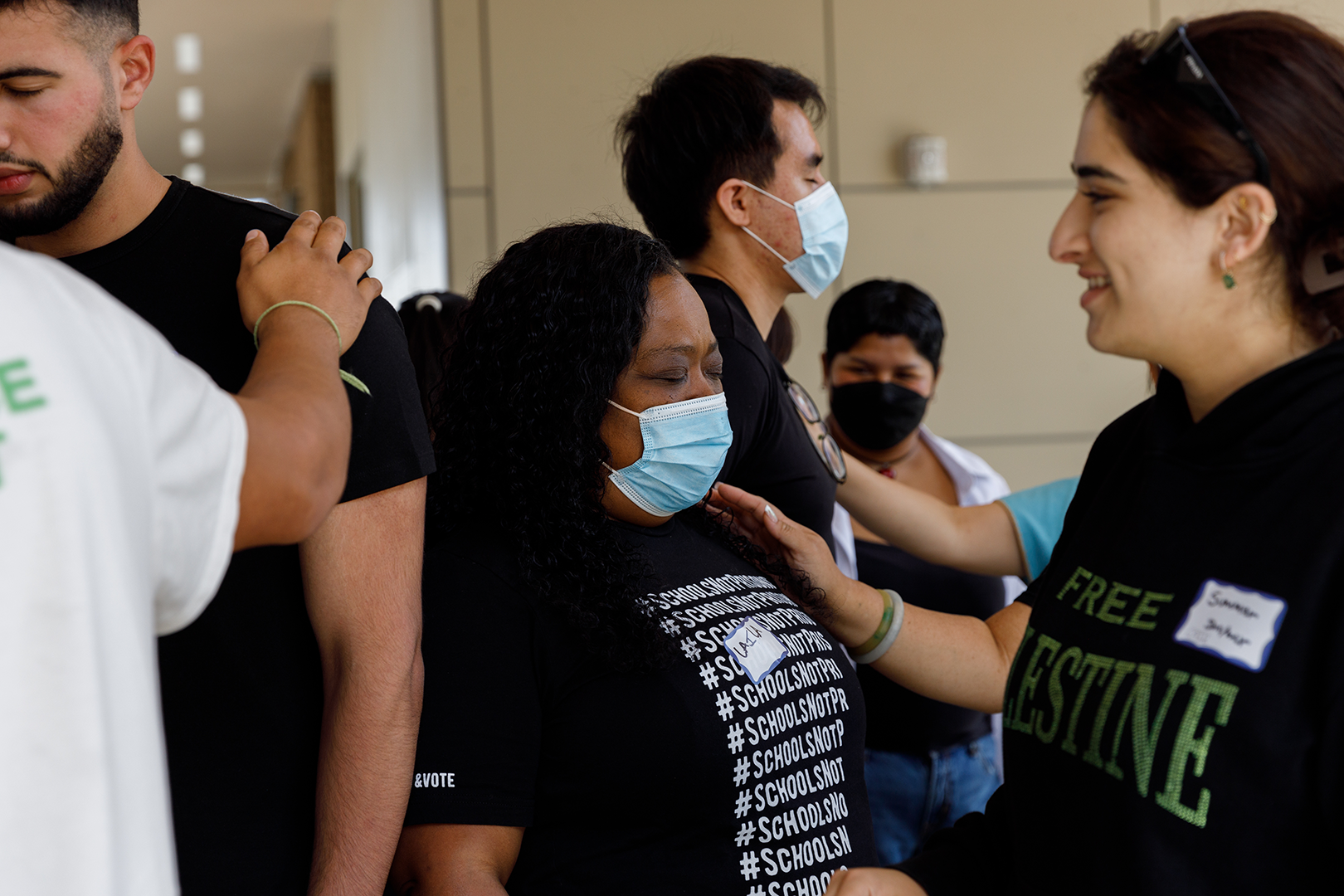
Shared participant Laila Aziz with Pillars of the Community:
“Unarmed Civilian Protection [training] has helped lead community members into creating robust, sustainable peacebuilding practices […] It becomes part of the fabric of the work we do, and of the community. Having that fidelity there — to make sure we’re doing it correctly, and if we needed support as we were learning it — has been instrumental in the work we’re doing.”
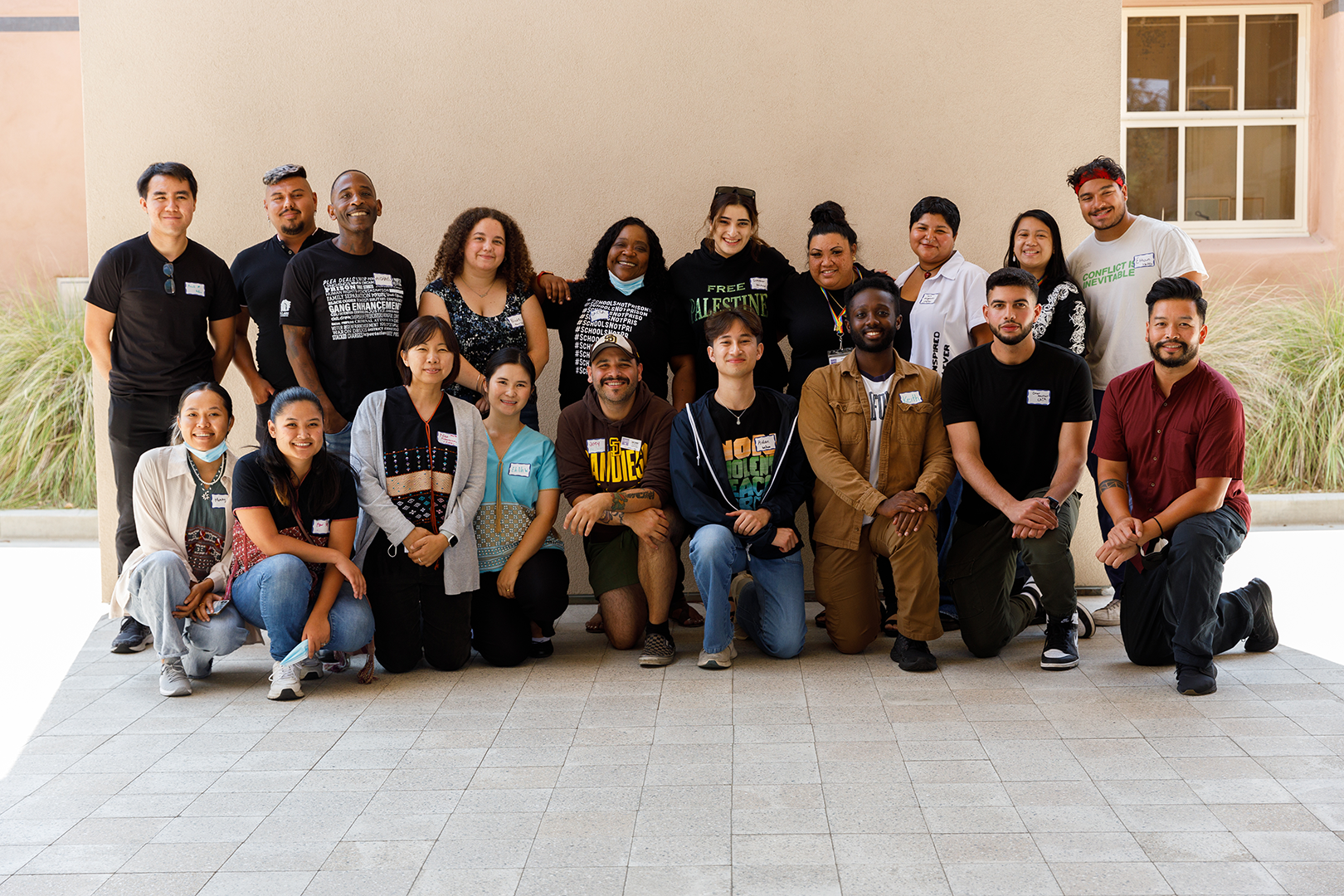
Building off this unique learning opportunity, some partners wished to leverage their experience for future impact. Staff from the North County LGBTQ Resource Center and other Stop the Hate grantee organizations received additional training to lead their own safety workshops, creating a compound effect empowering even more staff and community members.
I share this story for two reasons.
- Adding a new layer in how we supported the cohort was possible because Catalyst’s role as Border Region lead was expressly designed with capacity-building and flexibility at its core. From the beginning, we sought to be agile in response to evolving grantee needs and bigger picture issues. And while we had not anticipated the need for this kind of resource at the beginning of the program, we had the opportunity to adjust how we supported grantees based on honest feedback and knowledge sharing.
- It can be hard to share a challenge that potentially frames your organization as less capable of “doing the work.” But deep listening and strong relationships have helped to foster trust and connection between Catalyst and our partners, and between organizations in the cohort. We were able to more fully understand the scope of the challenges faced by our partners and make the connection to a high impact resource they needed.
Enabling Our Partners to Focus on Long-Term Impact
The community safety training series was just one of several capacity-building efforts that took a relatively small investment yet positioned grantees for significantly greater impact over the long-term. Beyond technical assistance, we worked with partners to identify areas of skill-building that would strengthen the internal mechanics of their organizations and position them to focus more fully on the impact, including:
- Support managing complex reporting requirements and interactions with public representatives and State-level policymakers. (For many of our partners, Stop the Hate was their first experience navigating a State-funded grant.)
- Financial management and organizational planning trainings customized for emerging, community-based organizations.
- Communications training for small staff organizations, focused on storytelling, user-friendly graphic design tools, and media interviews. External photography and videography support also enabled partners to tell their own stories and amplify their work.
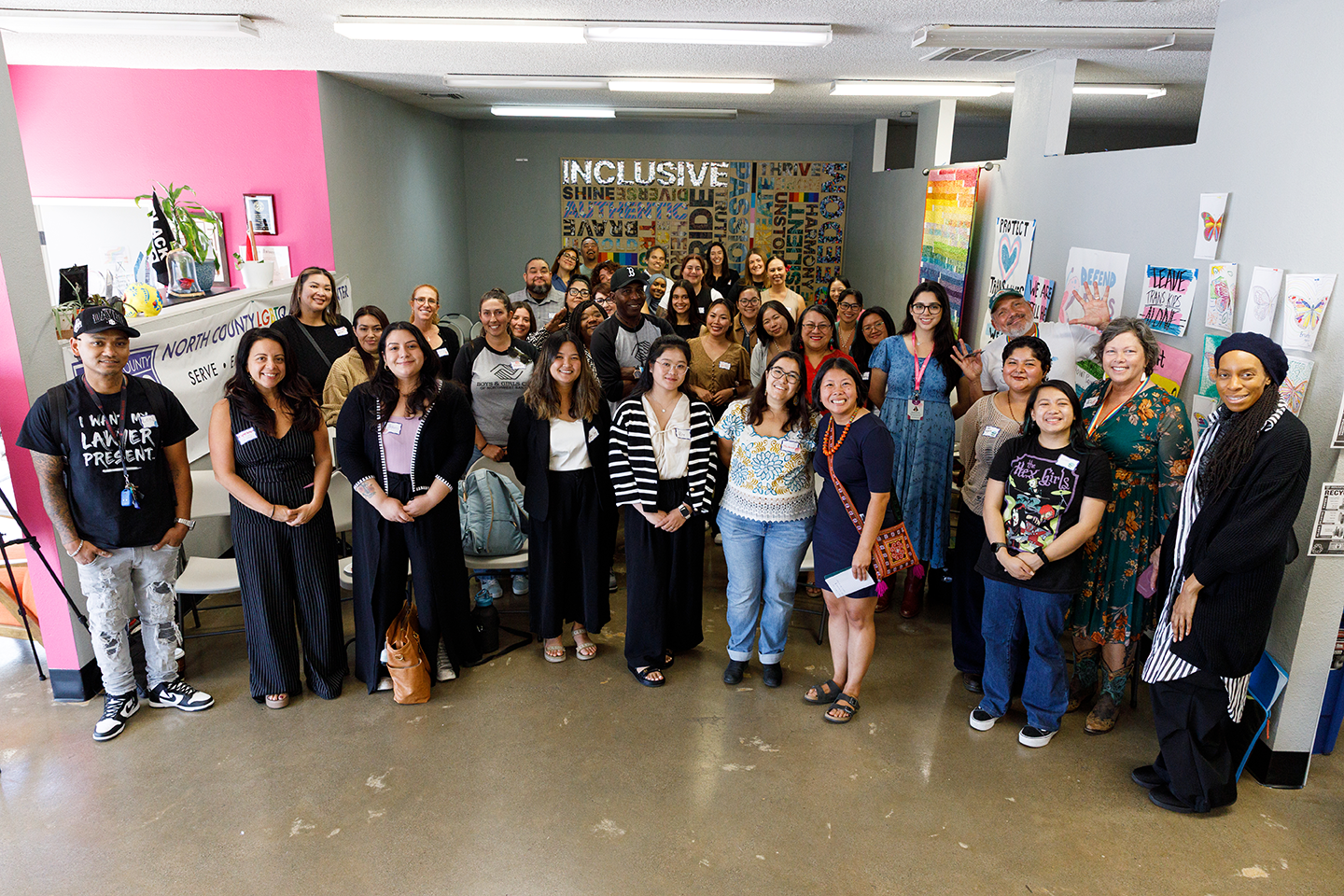
Laying the Groundwork for a More Connected Anti-Hate Movement in the Border Region
We’ve been fortunate to support each of our partners in building capacity as they provide our communities with an incredible variety of services. But beyond strong individual organizations, we’ve seen something else emerge from this regional effort: a network of changemakers developing a shared understanding of anti-hate work here in San Diego and Imperial Counties.
As our partners connected and collaborated over the years, they began to put shared language and concepts behind the work that they do. This evolving conversation has helped organizations connect how their work relates to one another, and how areas of work that are not commonly recognized as anti-hate (for example arts programs and cultural events) play a role.
Over the years, our cohort of 27 organizations connected, built trust, and collaborated – paving the way for deeper partnerships and uncovering opportunities to elevate one another’s work. Smaller, grassroots organizations especially have been able to refine how their work relates to other organizations and public institutions.
I am so proud to see all that our Stop the Hate Border Region partners have accomplished over the course of this grant and look forward to seeing how they continue to shape our region – individually and collectively – in powerful ways.
Hear from Stop the Hate Community Partners on June 5!
For a snapshot of how our partners’ work has grown and evolved, we invite funders to join the final Stop the Hate Border Region convening on June 5.
This will be an informative and casual day of conversations to share and learn about how local organizations are working to end cycles of hate in our community, and how they envision their future work. You’re welcome to come for part or all of the day. We hope to see you there!